
Healthcare Workers Providing Services in Good Faith Should Not Be Punished: Judge

SURKHET — Stakeholders have emphasized that rather than fearing legal consequences, health workers providing safe abortion services should focus on a correct understanding of the law, professional ethics, and serving in good faith.
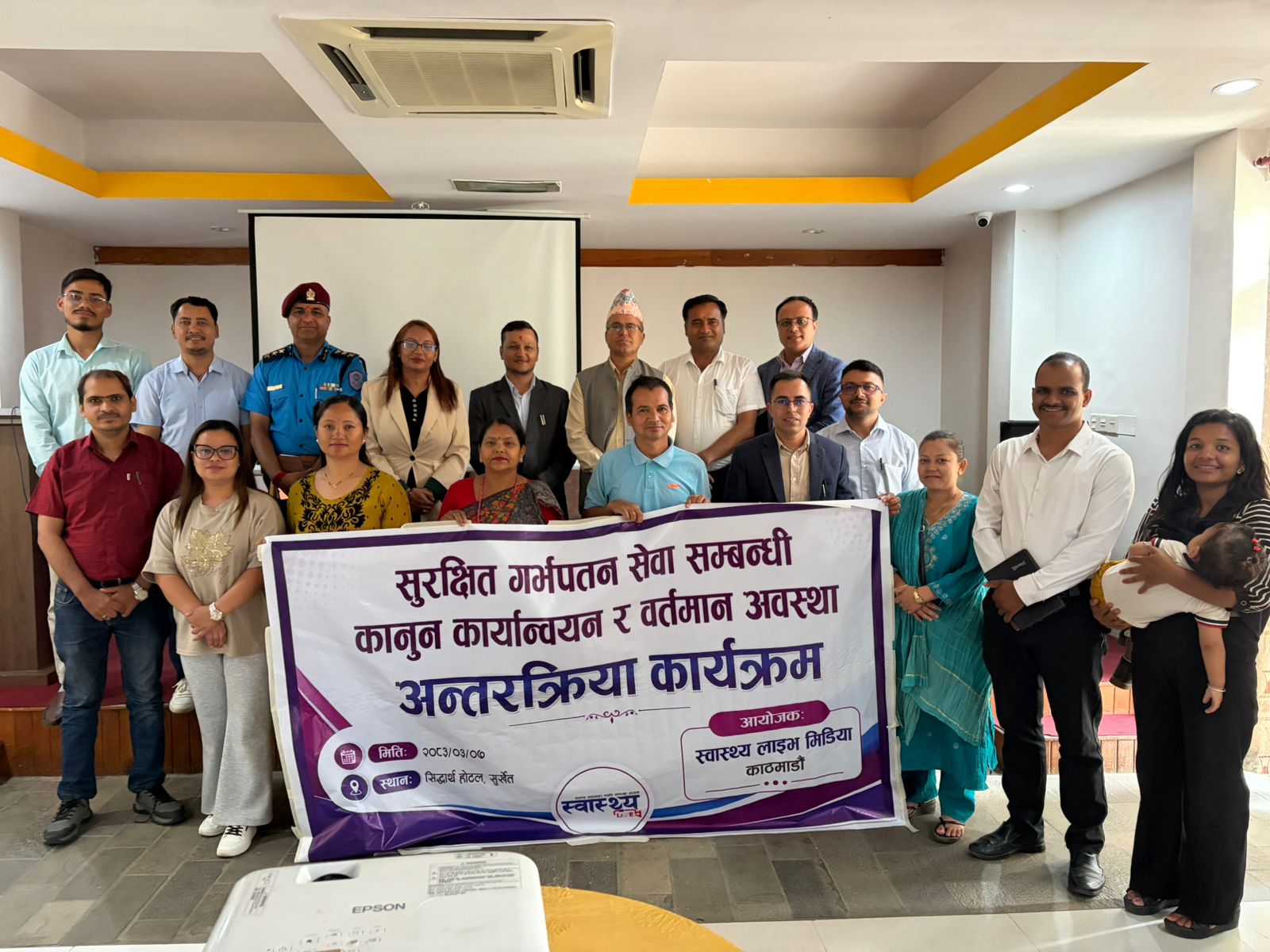
During an interaction program titled “Safe Abortion and the Status of Legal Implementation” organized by Swasthya Live Media in Birendranagar, Surkhet, judges, government attorneys, administrators, police personnel, and healthcare representatives collectively assured that medical professionals working with good intentions should not face punishment.
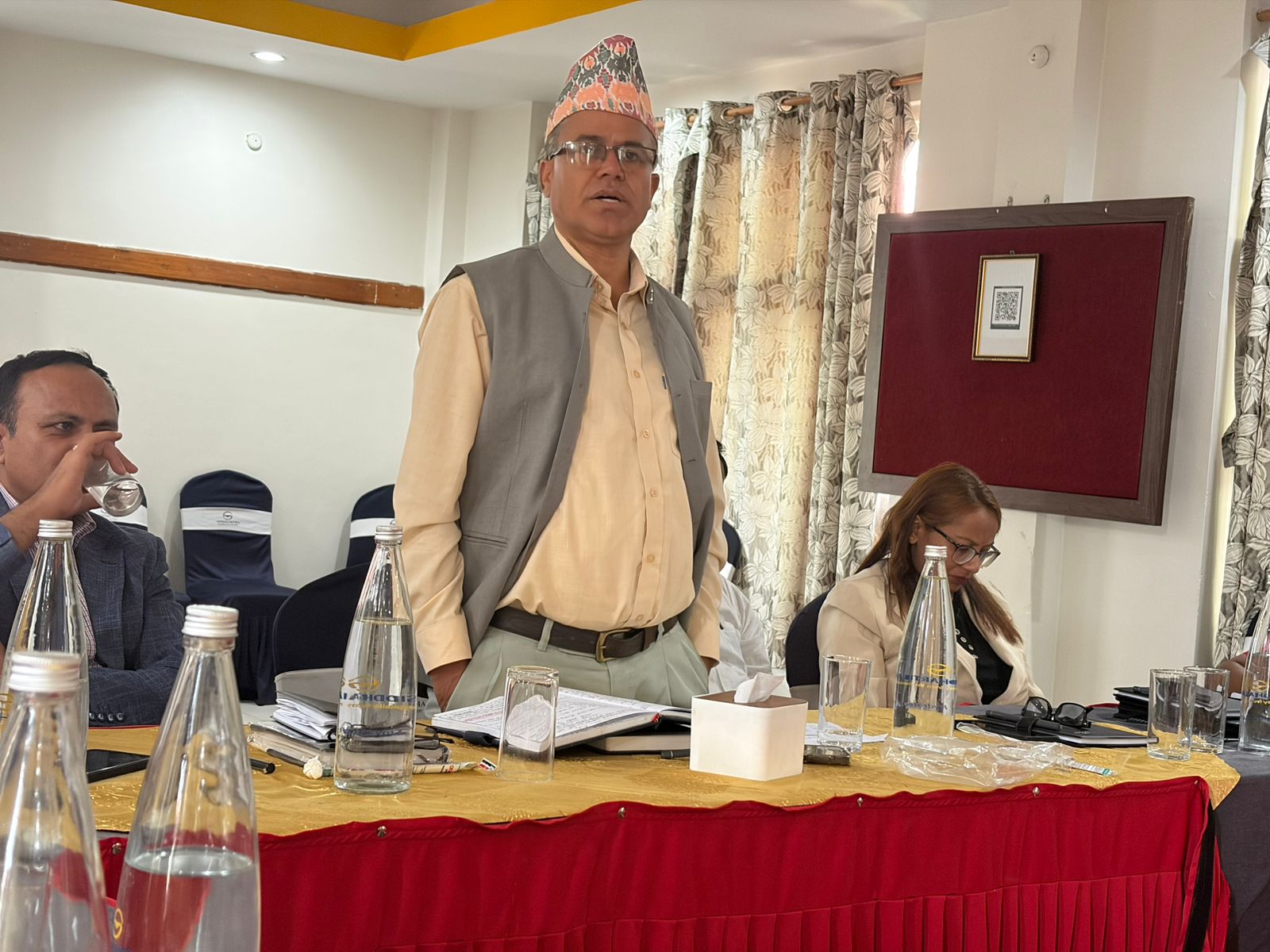
Speaking at the event, Surkhet High Court Judge Matrika Prasad Bhandari urged everyone, including health workers, to perform their duties in good faith. He noted that individuals working with a positive mindset and goodwill should not face legal repercussions, stressing the need to cultivate a habit of delivering quality and responsible services.
In response to doctors who voiced concerns that they are stuck in a dilemma—where refusing care risks patients’ lives but providing it invites legal and administrative hassles—Judge Bhandari reassured them that they need not harbor unnecessary fear if their actions are well-intentioned.
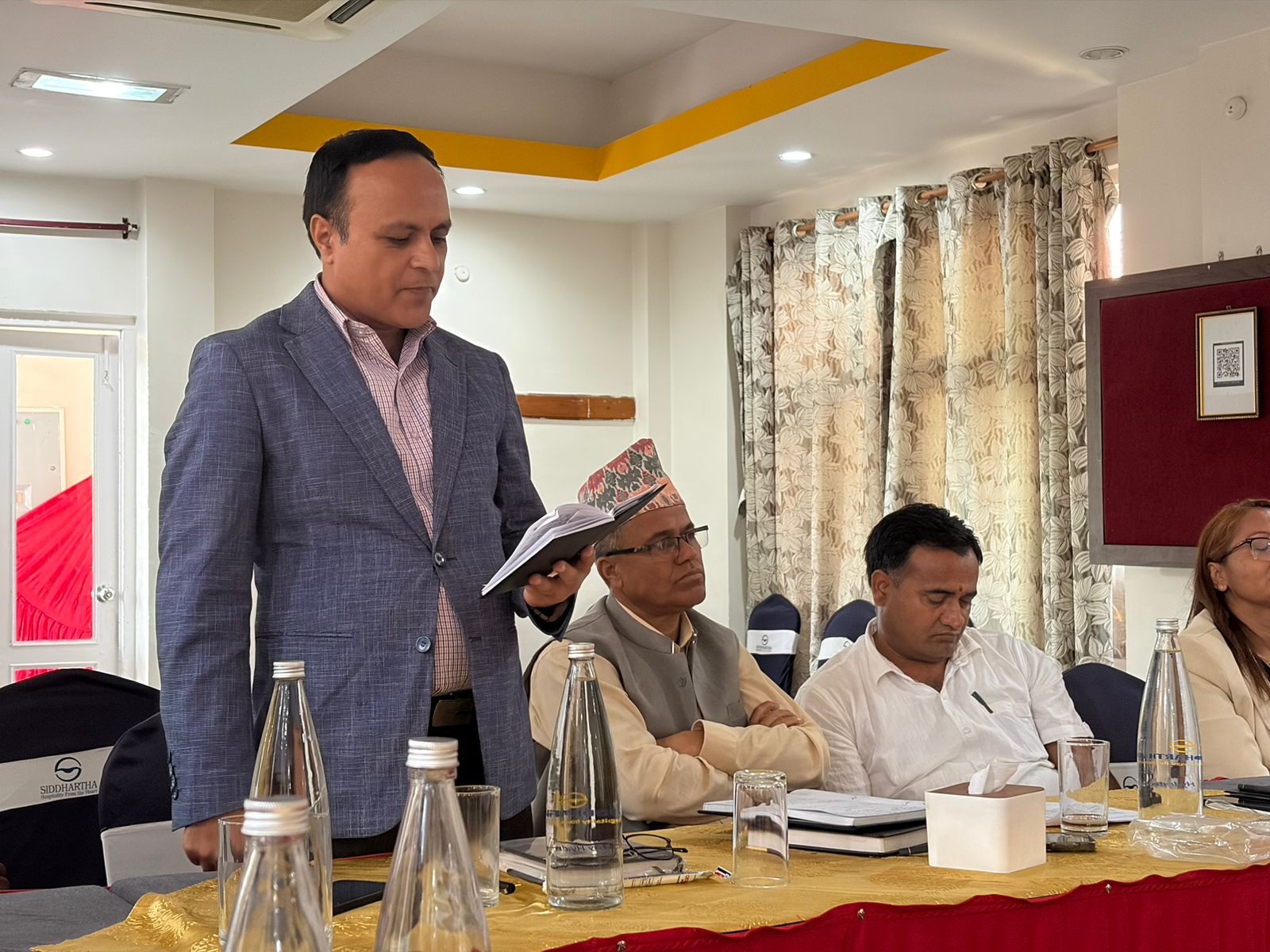
Similarly, Judge Basanta Raj Joshi of the Surkhet District Court pointed out that available data indicates unsafe abortions remain a grave issue, highlighting the urgent need to take awareness programs down to the grassroots level. Because safe abortion service centers are limited and heavily concentrated in urban areas, he emphasized the need to expand access.
Judge Joshi added that the number of certified healthcare providers, not just health facilities, must be increased. He also noted that because certain provisions in the laws governing safe abortion overlap, relevant agencies must take the initiative to update them in line with changing time and context.
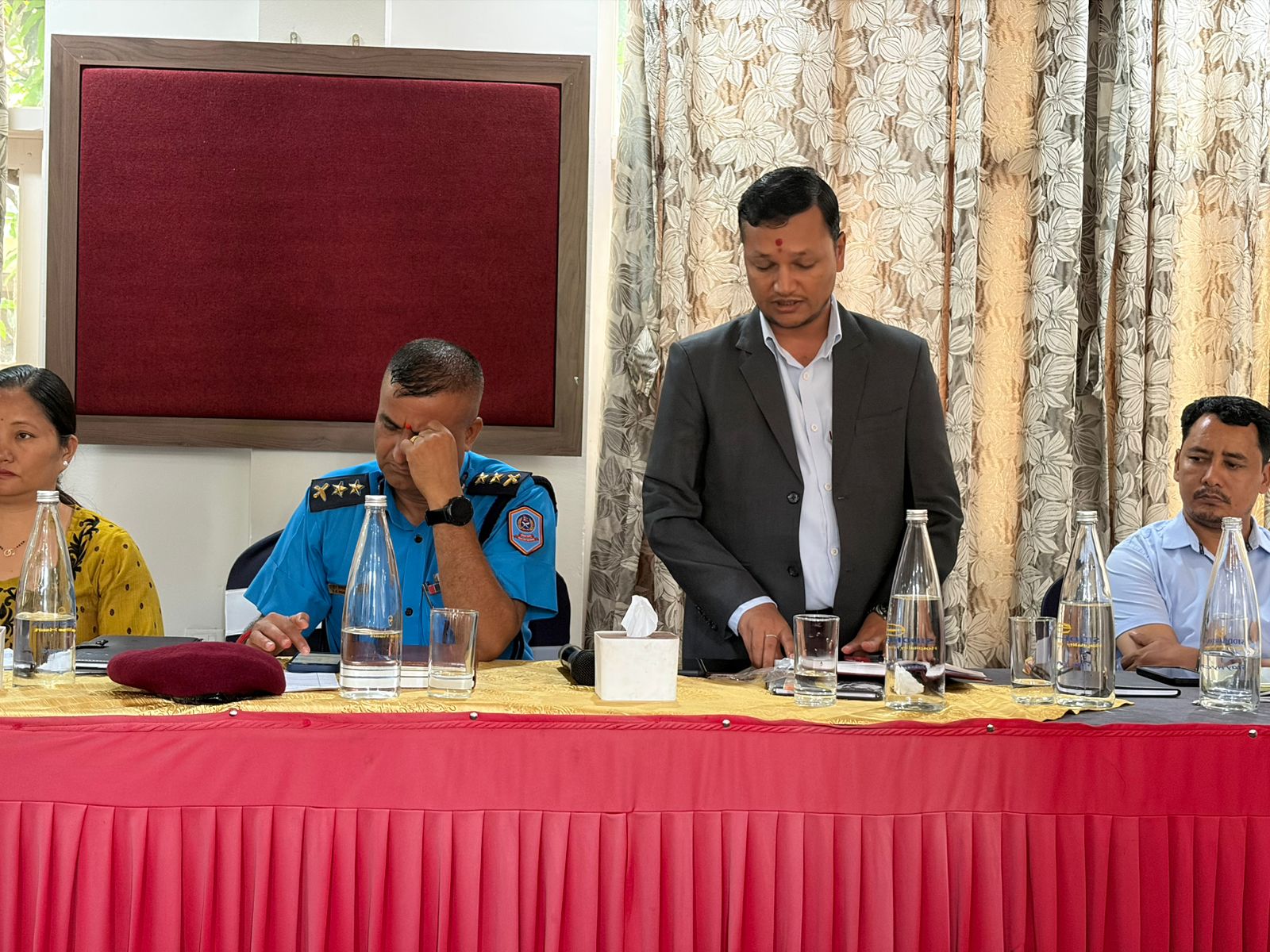
Dharma Raj Joshi, Chief District Officer (CDO) of Surkhet stated that health service providers and doctors must have complete clarity that unintended pregnancies ultimately push women toward unsafe abortions. Clarifying that health workers are not being harassed, arrested, or unnecessarily prosecuted simply for providing services, he urged them to practice within professional ethics and dignity.
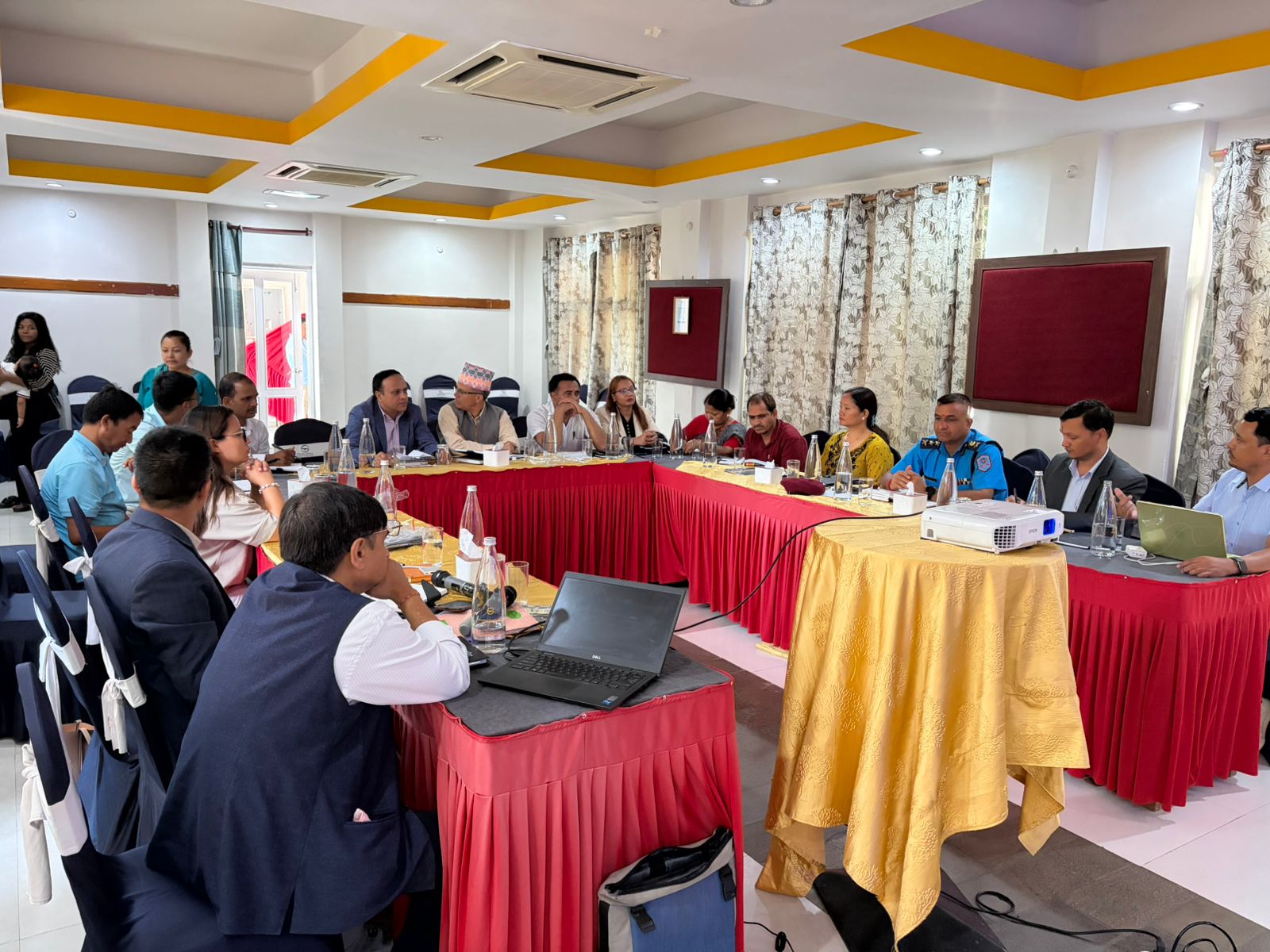
“If a commercial motive is detected under the guise of service, anyone will be held legally accountable,” CDO Joshi warned. “When doctors provide services, they shouldn’t just fear the law; they must also be well-versed in its provisions.”
CDO Joshi further warned that relevant stakeholders would be summoned immediately and instructed to stop illegal activities and the misuse of abortion medications. Strict monitoring and legal action would follow if these directives are ignored, he added.
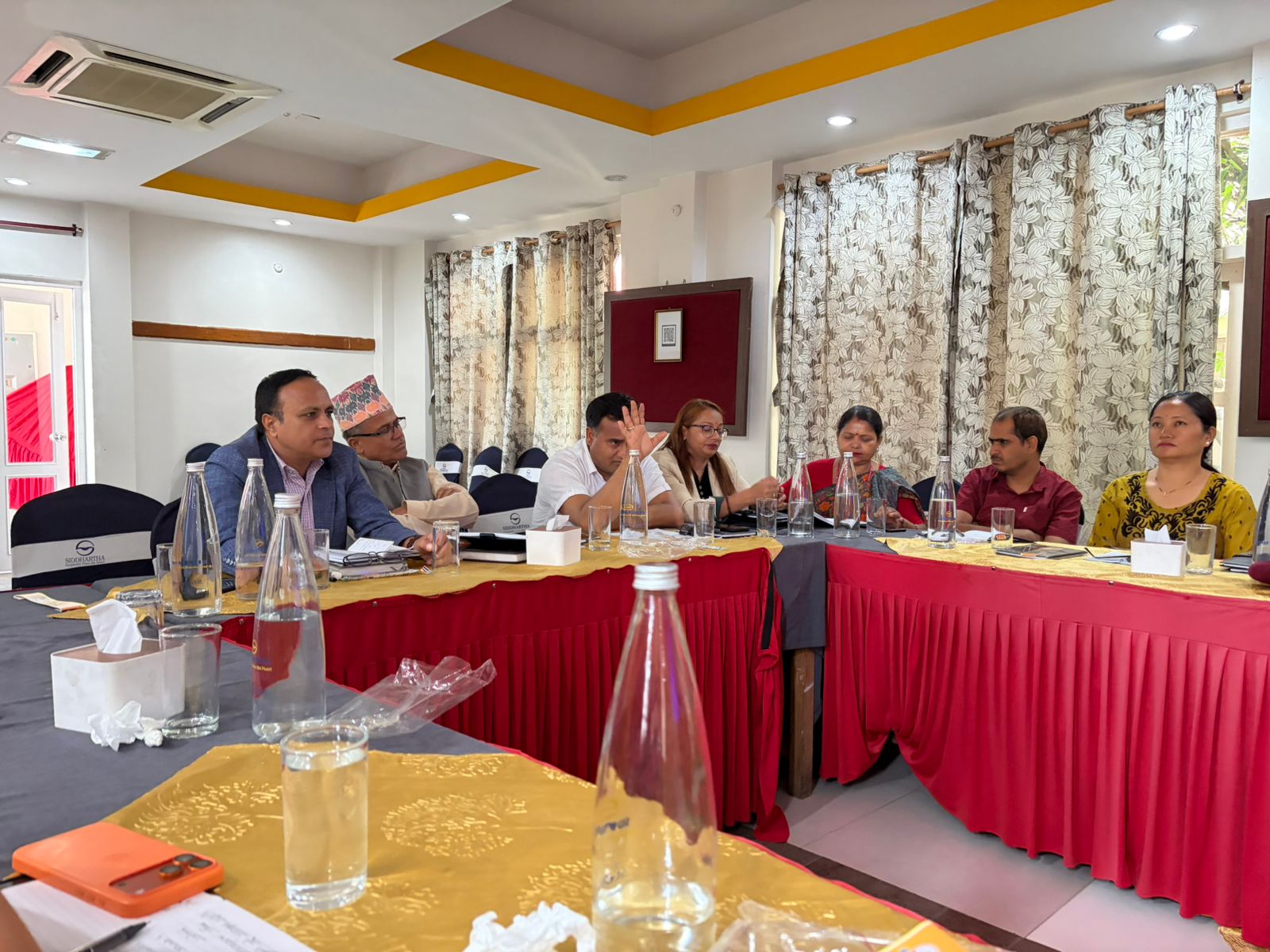
Joint Attorney Laxmi Narayan Dahal at the High Court Attorney’s Office highlighted a growing problem where licenses are acquired by one individual, but the facility is run by another. Warning that services provided by unqualified individuals can lead to severe consequences, he stressed the need to crack down on such practices.
Citing an example where incompetent personnel forced repeated post-mortems in rape cases, Dahal clarified that charges are not and cannot be levied against health workers out of malicious intent or vendettas.
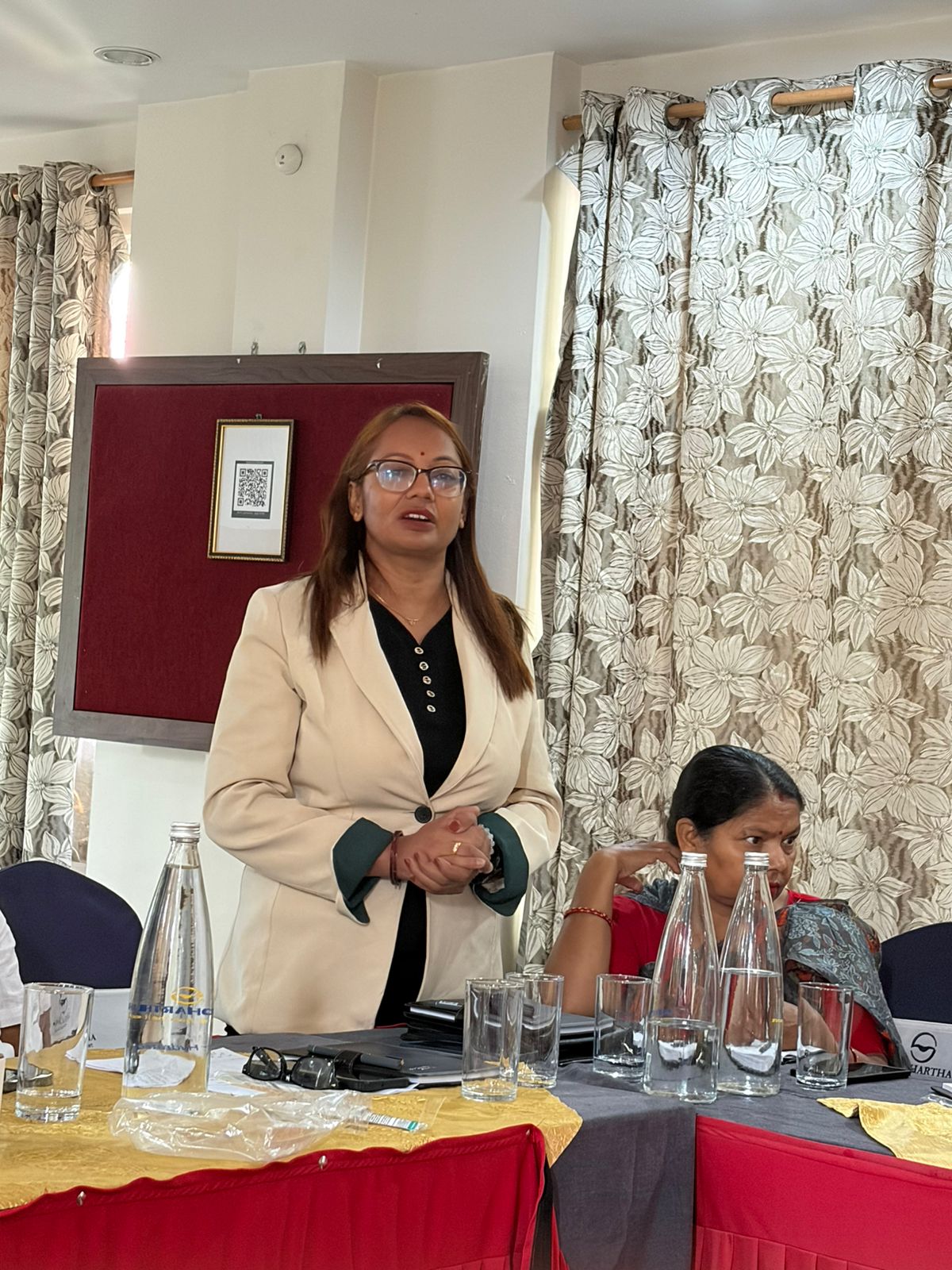
District Attorney Tulasa Bhandari of the Surkhet District Attorney’s Office emphasized the need to eliminate ambiguities in safe abortion laws to ensure uniformity. She stated that the overlapping provisions regarding abortion services up to 12 weeks and 28 weeks need clear definition. She also urged a ban on the over-the-counter sale of abortion drugs without a doctor’s prescription and called for safe abortion and reproductive health awareness to be integrated starting from the school level.
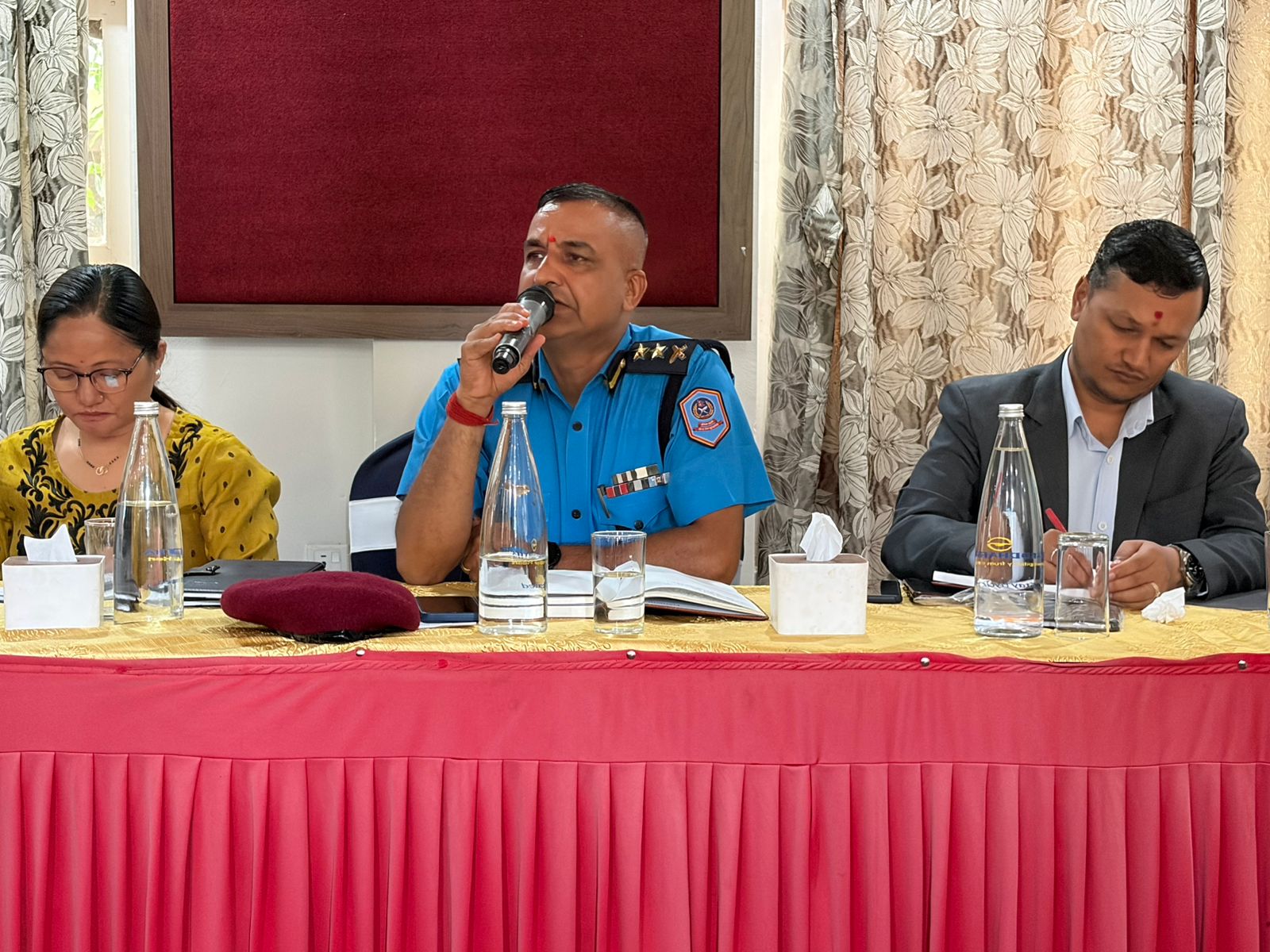
Superintendent of Police Thakur Prasad Pokharel of District Police Office, Surkhet affirmed that anyone promoting unsafe abortions or acting against safe practices would face legal action. He attributed the rise of these issues to a lack of effective awareness and service delivery at the grassroots level.
In the meantime, participants speaking at the event noted that expanding access to safe abortion services and reducing maternal mortality remains a significant challenge in Karnali Province. They pointed out that geographical difficulties, shortage of skilled human resources, social stigma, lack of privacy, and inadequate information about available services have exacerbated the issue of unsafe abortion.
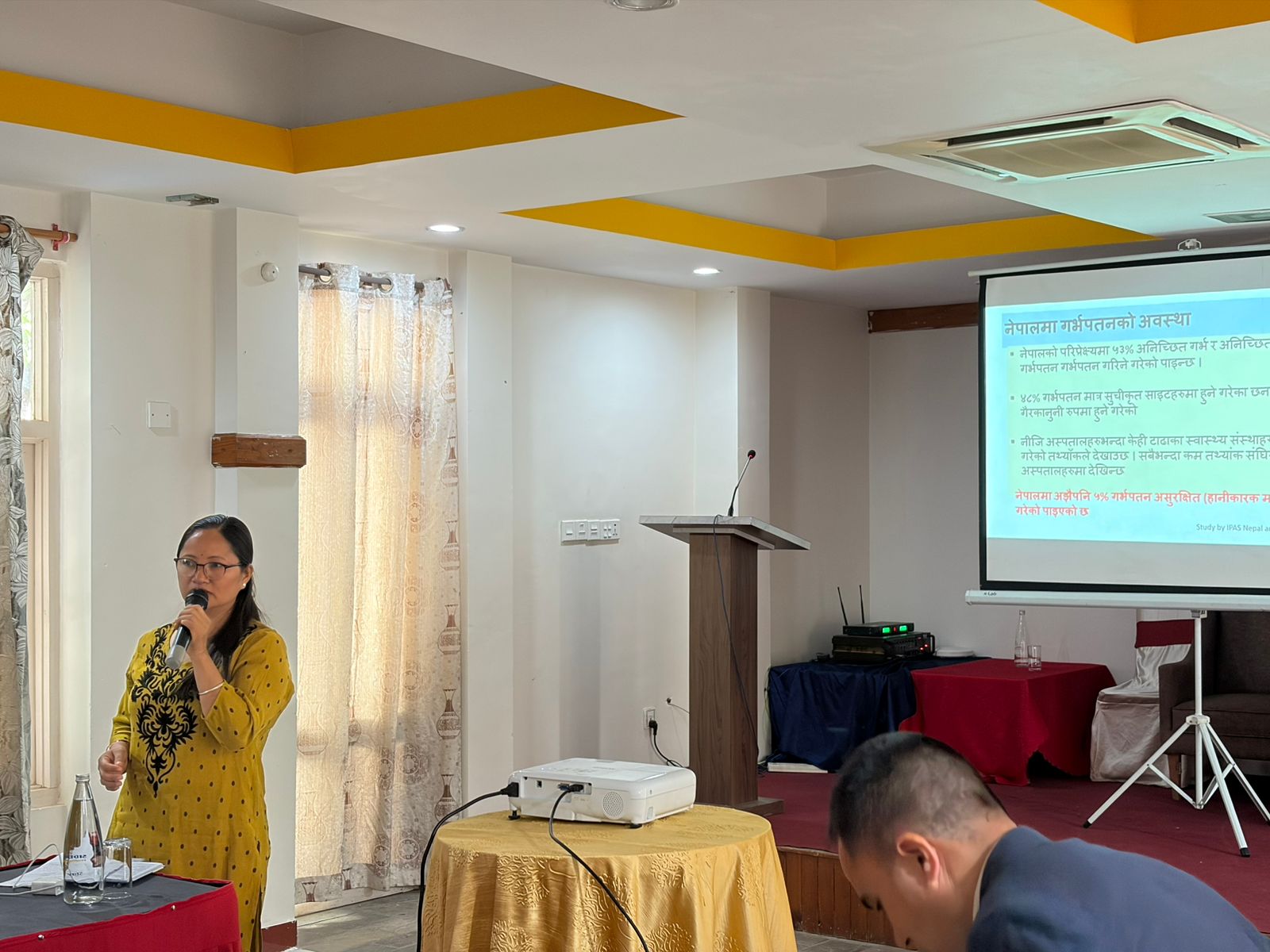
According to Man Kumari Gurung, Public Health Nursing Administrator at the Health Directorate of Karnali Province, the province currently has 428 birthing centers, 24 primary health centers, 13 hospitals and 110 licensed safe abortion service centers.
“Due to remote geography, transportation difficulties, and the unequal distribution of services, many women are still forced to live without access to safe care,” Gurung said.
Highlighting that unsafe abortion is a leading cause of maternal mortality and morbidity, Gurung shared alarming statistics: roughly 50% of all pregnancies are unintended, 60% of those end in abortion, and 45% of those abortions are performed unsafely. She added that Lumbini Province ranks first and Karnali Province second in maternal mortality rates in Nepal, calling it a severe challenge for the provincial healthcare system.
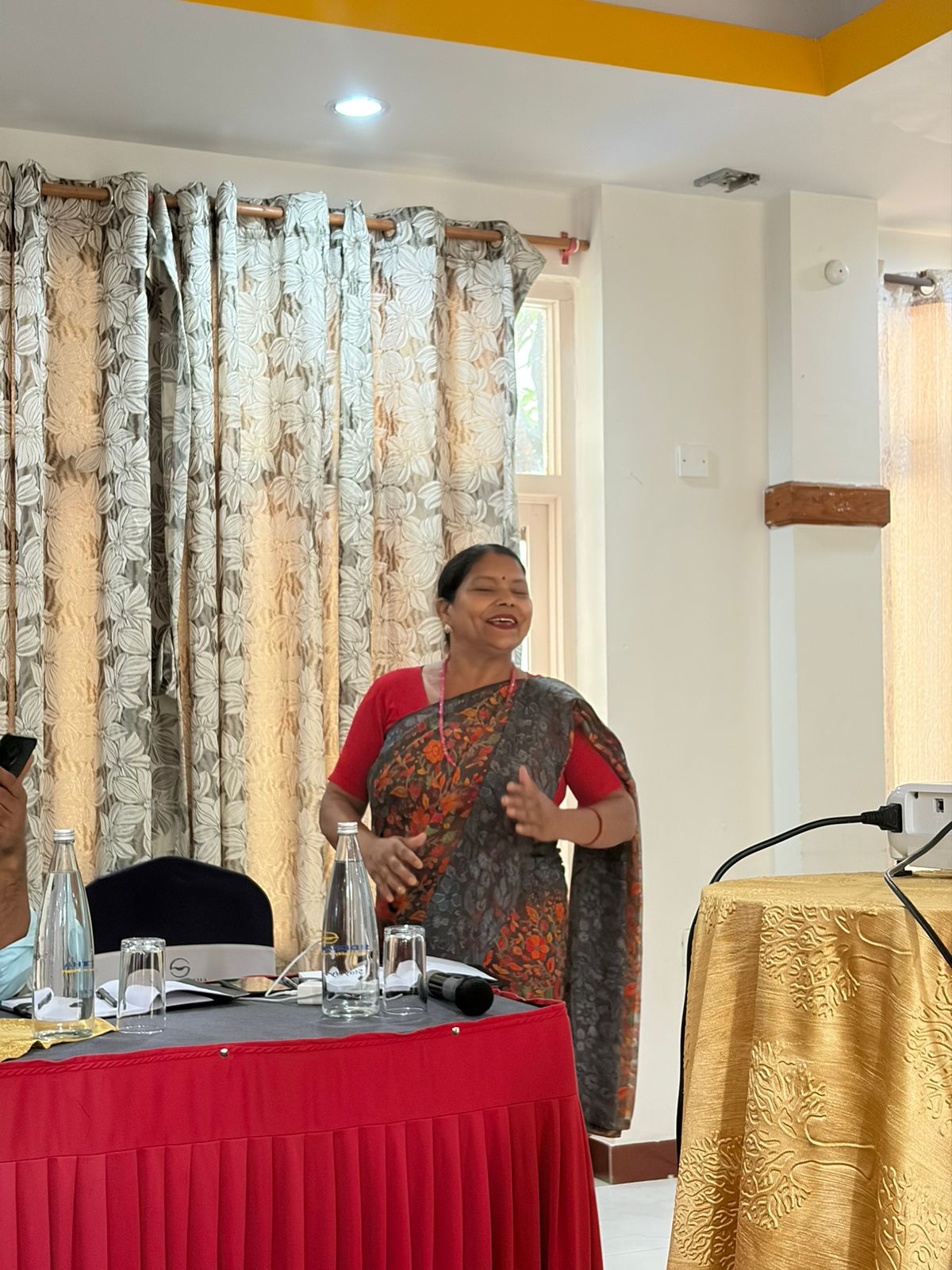
Although safe abortion is a fundamental right of women, society still views it as a crime in practice, according to Advocate Gita Koirala. She added that individuals who force women into getting abortions escape legal action while the vulnerable women themselves face social and legal backlash. This status quo must end, she emphasized.
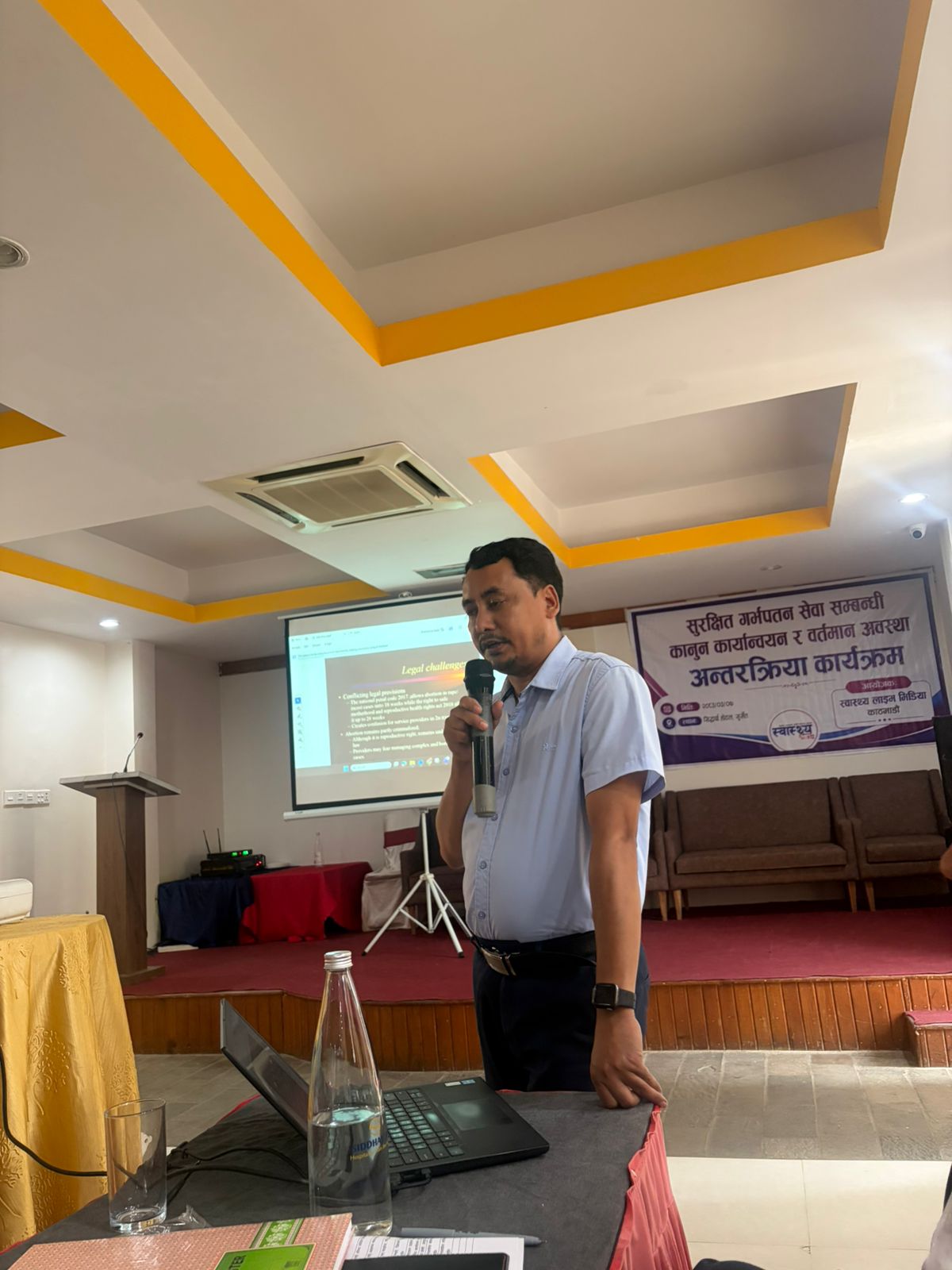
Dr. Lalit Jung Shahi, a gynecologist at Karnali Province Hospital, Surkhet, explained that unsafe abortions and the tendency of patients to arrive late at the hospital for treatment complicate efforts to lower maternal mortality.
“Many women purchase and consume abortion pills from pharmacies without a doctor’s consultation, reaching the hospital only after severe complications arise,” Dr. Shahi said. “The problem is worsening due to a lack of public awareness, fear of health services, and misinformation.”
क्याटेगोरी : English, समाचार






तपाईको प्रतिक्रिया दिनुहोस