The Digital Stethoscope: How Doctors Are Reshaping Public Health in Nepal Through Social Media
 Bishal Karki
शनिवार, २०८३ साउन ३० गते २१:१० मा प्रकाशित
Bishal Karki
शनिवार, २०८३ साउन ३० गते २१:१० मा प्रकाशित
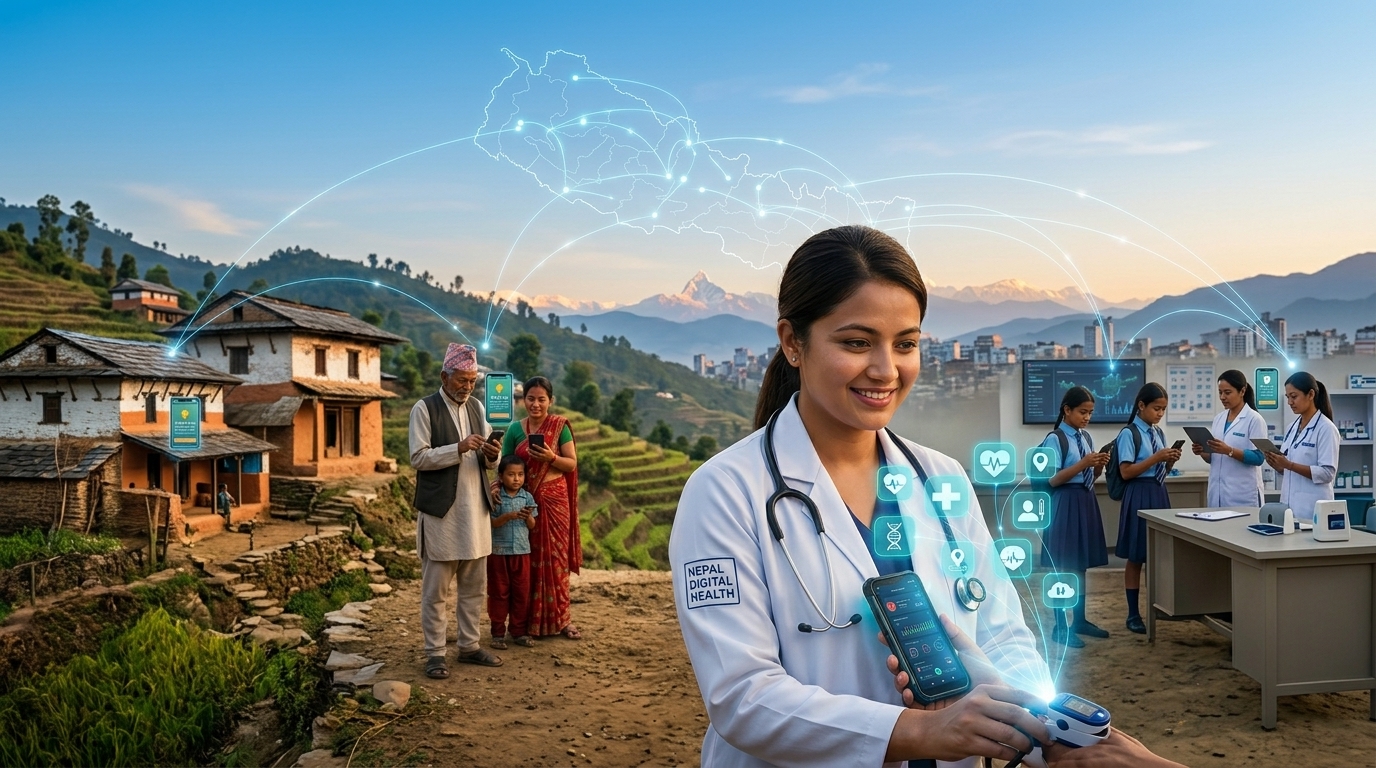
Nepal’s challenging geography and socio-economic disparities have long limited equitable access to healthcare. Yet a quiet transformation is unfolding on smartphone screens across the country. Widespread mobile broadband access, growing digital literacy, and the acceleration of online engagement during the COVID-19 pandemic have fundamentally changed how health information is created, shared, and consumed.
At the center of this shift is a growing community of licensed medical professionals who are using social media platforms such as Facebook, TikTok, YouTube, Instagram, and X to bring health education directly to the public.
Health information that was once largely confined to clinics, hospitals, and academic journals is now available through short videos, infographics, livestreams, and interactive question-and-answer sessions. This digital health movement has particularly benefited three groups: urban youth seeking accessible health advice, people in rural areas with limited access to specialists, and Nepali migrants abroad who prefer health information in their native language.
As a result, social media has emerged as an influential component of Nepal’s evolving public health communication ecosystem.
Leading Nepali Doctors on Social Media
A diverse range of Nepali medical professionals, from general practitioners to specialists, have established a significant presence online. Their growing audiences reflect increasing public interest in health literacy and preventative healthcare.
Dr. Sandesh Lamsal
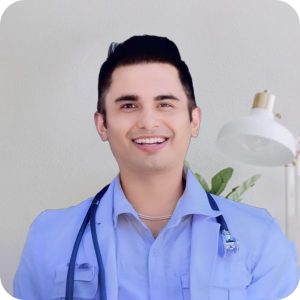
Credentials and Background: Doctor of Medicine (MD equivalent to MBBS) from Pavlov First Saint Petersburg State Medical University, author, public speaker, and Taekwondo II Dan Black Belt.
Digital Presence: A prominent multi-platform creator with a large following across Instagram, TikTok, Facebook, and YouTube.
Content Focus: Dr. Lamsal is known for youth-oriented health communication that combines evidence-based medical information with engaging short-form content. His work frequently addresses preventive healthcare, fitness, mental wellbeing, and broader social awareness issues.
Notable Contributions: His public health messaging on hygiene, social distancing, and disease prevention gained significant traction during the COVID-19 pandemic. He is also involved in philanthropic initiatives through the Dr. Sandesh Lamsal Foundation.
Dr. Om Murti Anil
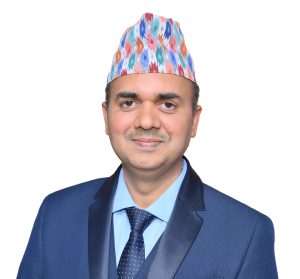 Credentials and Background: Interventional cardiologist with a DM from the All India Institute of Medical Sciences (AIIMS), New Delhi, and an MD in Internal Medicine from the Institute of Medicine, Tribhuvan University. He is also a Fellow of the American College of Cardiology (FACC) and founder of the National Cardiac Centre.
Digital Presence: Maintains a strong following on Facebook and an active educational presence on YouTube.
Content Focus: His content centers on cardiovascular health, hypertension, lifestyle modification, and disease prevention. His communication style combines clinical expertise with accessible public education.
Notable Contributions: Dr. Anil is the author of widely read health books, including Ma Pani Doctor and Jeewanta Sambandha. He has also led numerous community-based heart screening campaigns and public awareness initiatives.
Dr. Toshima Karki
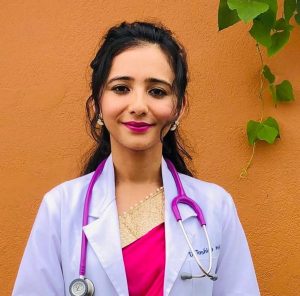
Credentials and Background: General surgeon with an MS in Surgery from Kathmandu University and an MBBS from KIST Medical College. She previously served as a surgery lecturer at Patan Academy of Health Sciences and as an Executive Committee Member of the Nepal Medical Council. She is currently a Member of Parliament and former Minister of State for Health and Population.
Digital Presence: Active across Facebook, Instagram, and YouTube, where she combines medical education with civic engagement.
Content Focus: Her content spans surgery, emergency medicine, reproductive health, healthcare governance, and health system reform.
Notable Contributions: Dr. Karki has become one of the country’s most visible advocates for healthcare reform, medical education improvement, and evidence-based policymaking.
Dr. Santosh Upadhyaya
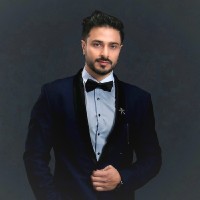 Credentials and Background: MBBS graduate of the Institute of Medicine, Tribhuvan University Teaching Hospital, medical officer, entrepreneur, and public figure. He was crowned Mr. Nepal 2019 and represented Nepal internationally at Mister Supranational 2021.
Digital Presence: Maintains a strong following on Instagram, Facebook, and YouTube.
Content Focus: His content bridges fitness, lifestyle, public health awareness, and preventive medicine. By combining health communication with visual storytelling, he has successfully connected with younger audiences.
Notable Contributions: Dr. Upadhyaya has worked in rural primary healthcare facilities in Achham and has used digital platforms to highlight healthcare challenges facing remote communities.
Content Strategies and Audience Engagement
One of the most significant strengths of Nepal’s medical creators is their ability to communicate complex health topics in simple, relatable language. While medical education is largely conducted in English, most physicians creating online content communicate primarily in conversational Nepali, often incorporating regional dialects and cultural references.
This localization helps translate technical medical concepts into understandable and practical information for a broader audience.
Many creators also rely on culturally relevant storytelling, discussing topics such as dietary habits, traditional remedies, common illnesses, and preventive health practices. Livestreams and interactive sessions on Facebook, TikTok, and YouTube further allow audiences to engage directly with healthcare professionals.
Importantly, these platforms have helped normalize discussions around traditionally sensitive subjects, including mental health, menstrual hygiene, reproductive health, and sexual wellbeing.
Public Health Impact
The influence of social media on public health awareness is becoming increasingly visible in Nepal. Through accessible content, doctors are encouraging earlier recognition of symptoms, promoting preventive care, and discouraging reliance on unverified treatments.
During public health emergencies, disease outbreaks, and pandemics, medical professionals have also played a critical role in disseminating timely information and reinforcing recommendations from national and international health authorities.
For rural populations, where access to specialists remains limited, digital health content can serve as an important educational resource. Similarly, for the large Nepali diaspora, health information delivered in Nepali provides a trusted and familiar source of guidance amid language and healthcare access barriers abroad.
Ethical Challenges and Regulatory Concerns
Despite its benefits, the growing role of doctors on social media raises important ethical and professional questions.
Oversimplification and Misinterpretation
Short-form content can sometimes simplify complex medical conditions, making it difficult to convey necessary nuances. There is a risk that viewers may mistake general health education for personalized medical advice, potentially delaying proper consultation and treatment.
Commercialization and Sponsorships
As healthcare influencers gain larger audiences, questions surrounding sponsorships, advertising, and conflicts of interest have also emerged. Transparency becomes particularly important when promoting supplements, wellness products, diagnostic services, or healthcare institutions.
Misinformation and AI Manipulation
The rise of artificial intelligence and synthetic media presents new challenges. Medical professionals, like other public figures, may become targets of manipulated or misleading content. Such incidents highlight broader concerns regarding misinformation, reputational harm, and public trust in digital health communication.
Regulatory bodies, including the Nepal Medical Council, continue to examine how professional ethical standards should apply within increasingly complex digital environments. Most physician-creators emphasize that their content is intended to support health education and prevention rather than replace medical consultations.
Beyond Health Education
The growth of medical content on social media represents a broader transformation in health communication. Traditional one-way messaging through television and radio is increasingly being supplemented by interactive, peer-to-peer engagement.
This shift is reshaping the doctor-patient relationship. Patients now arrive at appointments with information gathered online, creating new opportunities for shared decision-making while also requiring clinicians to address misinformation when necessary.
Social platforms have also become spaces where discussions about traditional healing systems, Ayurveda, and modern medicine intersect. Many medical creators explore these topics through evidence-based analysis, helping audiences navigate a range of health practices more critically.
Outlook
As internet access continues to expand throughout Nepal, social media is likely to play an even greater role in healthcare communication. This growth will also increase the need for stronger guidelines addressing patient privacy, commercial transparency, professional conduct, and digital ethics.
The rise of doctors as digital communicators marks a significant shift in how health information reaches the public. By making medical knowledge more accessible across geographic and socio-economic boundaries, healthcare professionals have helped democratize health education in Nepal. The challenge moving forward will be maintaining scientific accuracy, ethical standards, and public trust while continuing to engage audiences in an increasingly digital world.
क्याटेगोरी : English, विचार

तपाईको प्रतिक्रिया दिनुहोस